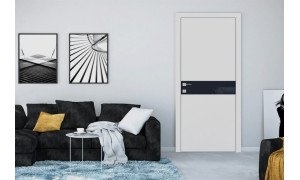
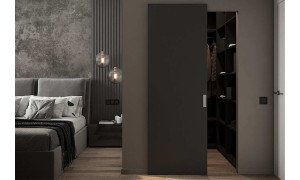
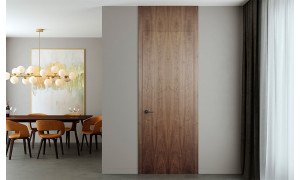
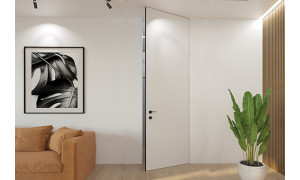
When a renovation begins, whether it is a full-scale remodel or just a light apartment upgrade, homeowners always have to make a long list of decisions. One of the most important is choosing the right doors. A door is not just a divider between rooms. It is a long-term interior element that affects comfort, appearance, privacy, and everyday functionality. Choosing interior doors in Toronto can feel overwhelming because most buyers want something that looks stylish but also performs reliably for years. If you do not want to spend hours comparing endless options, TrioDoors offers a wide range of solutions for different budgets, layouts, and design preferences.
One of the most common questions buyers ask is what is actually better: solid core doors or hollow core doors? Each option has its own strengths and weaknesses, and the right choice depends on your budget, your expectations for comfort, and how much sound control you need in the house. Because many Canadian buyers get confused by product names and marketing promises, it is worth understanding the real difference between these two constructions before placing an order. Below, we will break down the main types of interior doors so you can clearly understand what will work best in your home.
What Are Hollow Core Doors and How Are They Built?
Let us begin with the most affordable option on the market. Basic hollow core doors are considered a standard solution in many budget-friendly new builds. Their construction is simple: a wooden frame, usually made of softwood, runs around the perimeter, while thin HDF or MDF face panels are attached to both sides. Inside, instead of solid material, there is usually a lightweight honeycomb-style cardboard core.
Why do homeowners choose hollow core interior doors?
- Low weight. They are easy to move, and installation usually does not require especially heavy-duty hinges.
- Affordable price. This is one of the most budget-friendly door options, especially when many openings need to be completed at once.
- Simple installation. A qualified contractor can install them quickly because they are light and easy to handle.
- The weak point: lower durability. The thin outer skin can be damaged more easily by impact, especially around the handle area.
So if the renovation budget is tight and the door will be used in a low-priority area, hollow core models can be a practical and completely reasonable solution.
.png)
Solid Core Interior Doors: Reliability Above All
If you are looking for something more substantial, take a closer look at solid core models. For many homeowners, they represent the best balance between performance and appearance. From the outside, they may look very similar to hollow core doors, but inside they contain a dense filling such as heavy MDF, particleboard, or engineered wood.
Why do architects and designers so often recommend them?
- A more substantial feel. When you open a solid core door, you immediately notice the weight and sense of quality. It feels far more premium than a lightweight hollow panel.
- Better strength and durability. These doors are much harder to dent or damage accidentally, which makes them especially practical for families with children or pets.
- Improved acoustics and privacy. Bedrooms, home offices, and children’s rooms benefit greatly from a denser core because it blocks household noise far more effectively.
- Better thermal stability. A dense core can also help rooms hold temperature more consistently, which adds to overall comfort.
Hollow core doors, by comparison, often behave almost like a drum. The empty space inside allows sound to travel more easily, and in some situations it can even make everyday noise feel more noticeable. In homes where wall construction already provides limited acoustic protection, solid core doors can make a major difference in how quiet and comfortable the interior feels.
Where Hollow Core Doors Make Sense
Not every room requires the same level of performance. Professionals rarely recommend using exactly the same door construction everywhere in the house. A smarter approach is to combine door types based on the needs of each area.
Hollow core doors are usually a good choice for:
- small built-in closets;
- pantries;
- under-stair storage rooms;
- laundry or utility spaces where privacy is not a priority.
In these zones, there is usually no real technical reason to pay more for stronger sound reduction or heavier construction. If the goal is simply to close off a secondary space in a clean and affordable way, a hollow core door can do the job well.
Where Solid Core Doors Are Worth the Upgrade
For areas where comfort matters more, solid core doors are usually the better long-term investment. This is especially true for:
- primary bedrooms;
- guest rooms;
- bathrooms;
- home offices;
- children’s rooms.
These are the rooms where privacy, acoustic control, and a stronger sense of quality are most important. A heavier door can noticeably improve how calm and protected a room feels. This is also why many premium interiors combine solid core construction with more refined systems such as concealed doors or modern design-led finishes.
Do Not Forget About Hardware and Installation
One important detail homeowners often overlook is that a heavier door also demands better hardware. A solid core slab should be installed with reliable hinges, proper frame anchoring, and quality accessories. Otherwise, even a well-made door may begin to sag over time under its own weight.
This is why it is important to think not only about the door leaf itself, but also about the full system. High-quality door handles, durable hinges, and correct installation all affect how the door performs in the long term. If your project also includes more space-saving solutions, it may be worth comparing them with sliding doors to see which construction works best for the layout.
How to Make the Right Choice Without Overspending
The smartest strategy is usually not to overspend everywhere, but to distribute the renovation budget more carefully. There is little reason to pay for a solid core door in a pantry or closet where sound insulation is irrelevant. At the same time, trying to save money on a bedroom or bathroom door often leads to frustration later, especially if household noise becomes a daily problem.
In practical terms, the best approach looks like this:
- choose hollow core doors for secondary and low-priority areas;
- choose solid core doors for private and frequently used rooms;
- invest in proper hardware and professional installation for heavier models.
This balanced method helps control costs without compromising the rooms where performance matters most.
Understanding the real technical difference between hollow core and solid core doors helps you make better renovation decisions and use your budget more efficiently. A thoughtful combination of both types can give your household the right balance of quiet, durability, comfort, and value. Hollow core doors work well where affordability and low weight are the priority. Solid core doors are the better choice where privacy, sound insulation, and a more premium feel matter most.
If you want to create a comfortable home without overpaying, explore the available collections at TrioDoors. You can find stylish door systems, dependable construction options, and complementary hardware that help bring the whole interior together. With the right choice, your renovation will feel less stressful and much more rewarding in the long run.