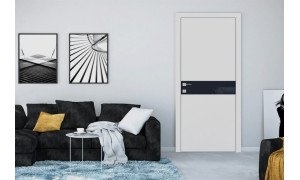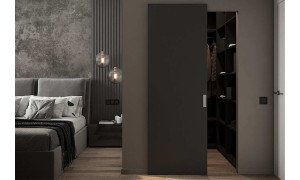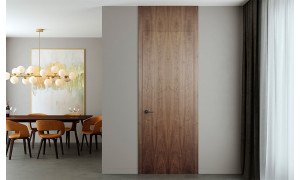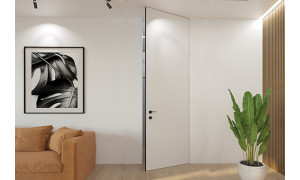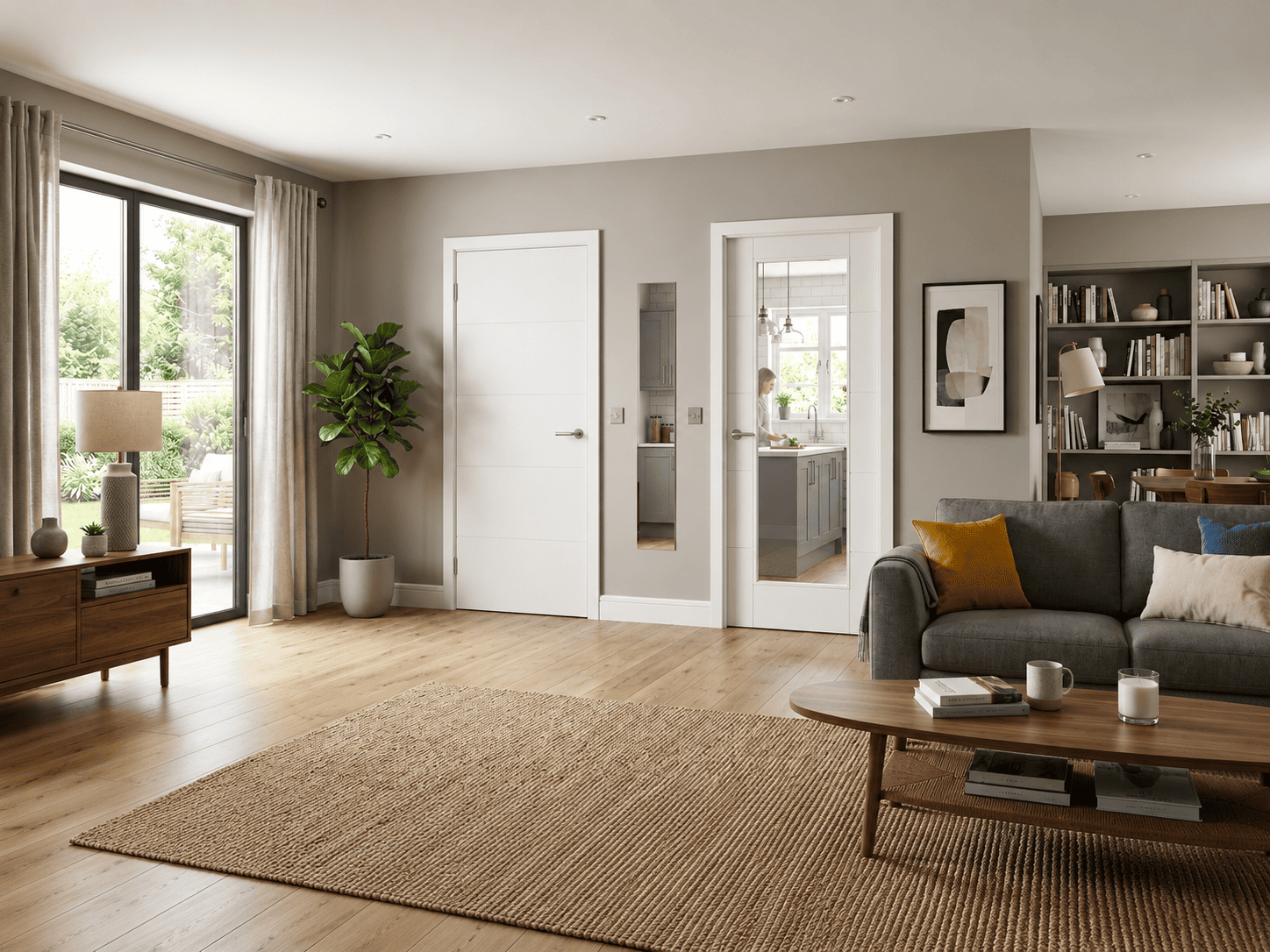
Renovation is always a serious test of patience, and the final details often turn out to be the most important because they shape the overall impression of the entire space. Homeowners may invest in stylish finishes, premium flooring, and carefully selected furniture, but doors still remain one of the key architectural elements in the house. They are not just partitions between rooms. They influence comfort, privacy, sound control, and the visual rhythm of the interior. That is why choosing the right interior doors is never only about appearance. It is also about construction quality, functionality, and long-term value.
The Canadian market has its own pricing logic, and the cost of interior doors in Toronto depends on far more than the look of the door leaf alone. Material prices, construction type, finishing technology, and sizing all play a role. If you want your renovation budget to stay under control, it is important to understand what exactly you are paying for. Below is a practical guide to the key factors that shape interior door prices and explain why some options are significantly more expensive than others.
What Shapes Interior Door Prices in Toronto?
The average price of interior doors in Toronto depends on several major factors, and each of them can noticeably change the final quote.
- Internal structure and core filling. The most affordable models are usually lightweight hollow-core doors, often based on honeycomb construction. They are easier to handle and cost less to produce. More expensive doors typically feature tubular or solid-core filling, which improves sound insulation, durability, and the overall feeling of quality.
- Exterior finish and protective coating. Multi-layer enamel painting, natural veneer, laminated finishes, and high-performance decorative coatings all affect price. Every additional layer of protection against scratches, moisture, and wear increases the cost.
- Dimensions and geometry. If your wall openings are higher or wider than standard North American sizes, the door will often need to be manufactured individually. Custom dimensions usually increase the total price because of extra production work, non-standard cutting, and specialized hardware.
Standard white doors with a lightweight core are usually the most budget-friendly option. At the same time, if you are choosing doors for bedrooms, children’s rooms, or bathrooms, it often makes sense to invest in stronger and quieter constructions instead of focusing only on the lowest possible price.
Popular Materials: From Classic Solid Wood to Innovative Composites
The base material has a direct impact on physical durability, total weight, and resistance to humidity changes. This is one of the main reasons why prices can differ so much even between visually similar models.
Solid Wood
Natural solid wood remains one of the most prestigious choices on the market. It is environmentally friendly, visually rich, and highly durable when maintained correctly. Solid wood doors can last for many years and are often seen as a long-term investment in the home. They also carry a stronger premium image than most factory-made alternatives. At the same time, their price is typically higher because of the cost of raw material, processing, and finishing.
MDF and Engineered Boards
Pressed-board and MDF-based doors have become one of the most popular options for modern homes. They offer a better balance between affordability and design flexibility. These doors can be finished with veneer, polyurethane enamel, or advanced polymer films that imitate wood, stone, or contemporary textured surfaces. In many cases, they are much more budget-friendly than solid wood while still providing an attractive appearance.
Modern Mixed Constructions
Many current models combine several materials in one system. A door may include an engineered core, MDF outer layers, aluminum details, decorative inserts, and premium coatings. This type of construction is common in more design-oriented products such as concealed doors, where visual precision and structural stability are especially important.
Why Construction Type Matters as Much as Material
When homeowners compare prices, they often focus on the outer finish and forget about what is hidden inside the leaf. In reality, the internal construction is one of the main factors affecting everyday performance.
Hollow-core doors are more affordable because they use less dense filling and weigh less. They are suitable for secondary rooms, closets, or utility spaces where heavy use and strong sound insulation are not critical. Solid-core doors cost more, but they provide better acoustic comfort, higher resistance to deformation, and a noticeably more substantial feel when opening and closing.
This difference becomes especially important in family homes, apartments with shared walls, or projects where comfort and privacy matter just as much as design. A cheaper option may look good at first, but a stronger core often proves more practical over time.
How Custom Orders Affect the Final Price
One of the biggest reasons why the price goes up is custom manufacturing. Standard sizes are always more economical because they follow established production formats. As soon as a project requires non-standard height, unusual width, hidden frames, special milling, or exclusive finishes, the cost begins to rise.
This is particularly relevant for taller doors, premium architectural interiors, and solutions that save space, such as pocket doors or modern sliding doors. These systems are not only about the leaf itself. The price also includes rails, concealed mechanisms, frames, and installation requirements, which make the final estimate higher than with a standard swing door.
Finishes, Hardware, and Visual Details
Another major pricing factor is the visible finish of the product. Smooth primed surfaces prepared for painting usually cost less than fully finished designer doors with premium coatings or natural veneer. Matte and satin enamel systems, special textures, and decorative edge solutions can also add to the total price.
Hardware should never be treated as a minor detail. High-quality hinges, locks, magnetic systems, and premium door handles directly affect comfort, durability, and the overall perception of the door. Budget hardware may reduce the initial cost, but it often leads to faster wear, noisier operation, and a less refined user experience.
Which Option Offers the Best Value?
There is no single answer that works for every home. The best value depends on where the door will be installed, how intensively it will be used, and what role it plays in the interior. For utility rooms and secondary spaces, simpler hollow-core solutions may be perfectly reasonable. For bedrooms, bathrooms, home offices, and premium living zones, investing in stronger materials and better construction is usually the smarter decision.
When evaluating price, homeowners should think beyond the sticker. A door is not only a decorative panel. It is a combination of core structure, finish quality, hardware, sound insulation, and installation precision. Paying slightly more for a better-built product often means fewer problems and greater satisfaction in the long run.
Interior door prices in Toronto are shaped by a combination of material, construction type, finish, size, and accessories. Solid wood, premium coatings, solid-core filling, and custom production all increase the final cost, while standard hollow-core models remain the most affordable option. The key is to understand where it makes sense to save and where better quality will pay off over time.
If you want your renovation budget to work smarter, compare not only the visible design but also the internal structure and technical features of the product. The right door should match your interior, meet your daily needs, and offer long-term reliability. When chosen correctly, it becomes a practical and stylish investment rather than just another line in the renovation estimate.