What stylistic and spatial problems can doors solve?
Most often, when buying doors, people focus on the operational characteristics of the structures (moisture resistance, durability, sound and heat insulation), but the role of doors in interior design is much broader. For example, their appearance affects the perception of the room by a person, so doors have become one of the main elements of design.
The only exception is studio apartments, which do not have door constructions in their projects.
Selection criteria
Before using doors to optimize the layout, it is important to decide on their type. Designs are:
- with blind or glazed canvases;
- made of different materials - natural wood, its substitutes (HDF, chipboard, MDF), plastic, glass, metal;
- with a smooth or grooved surface;
- with different ways of opening.
When planning the repair should determine the general style of the room and further adhere to a single stylistic solution for walls, furniture and even the entrance. It is enough to correctly select the same doors and their effect on the interior will be the following effects:
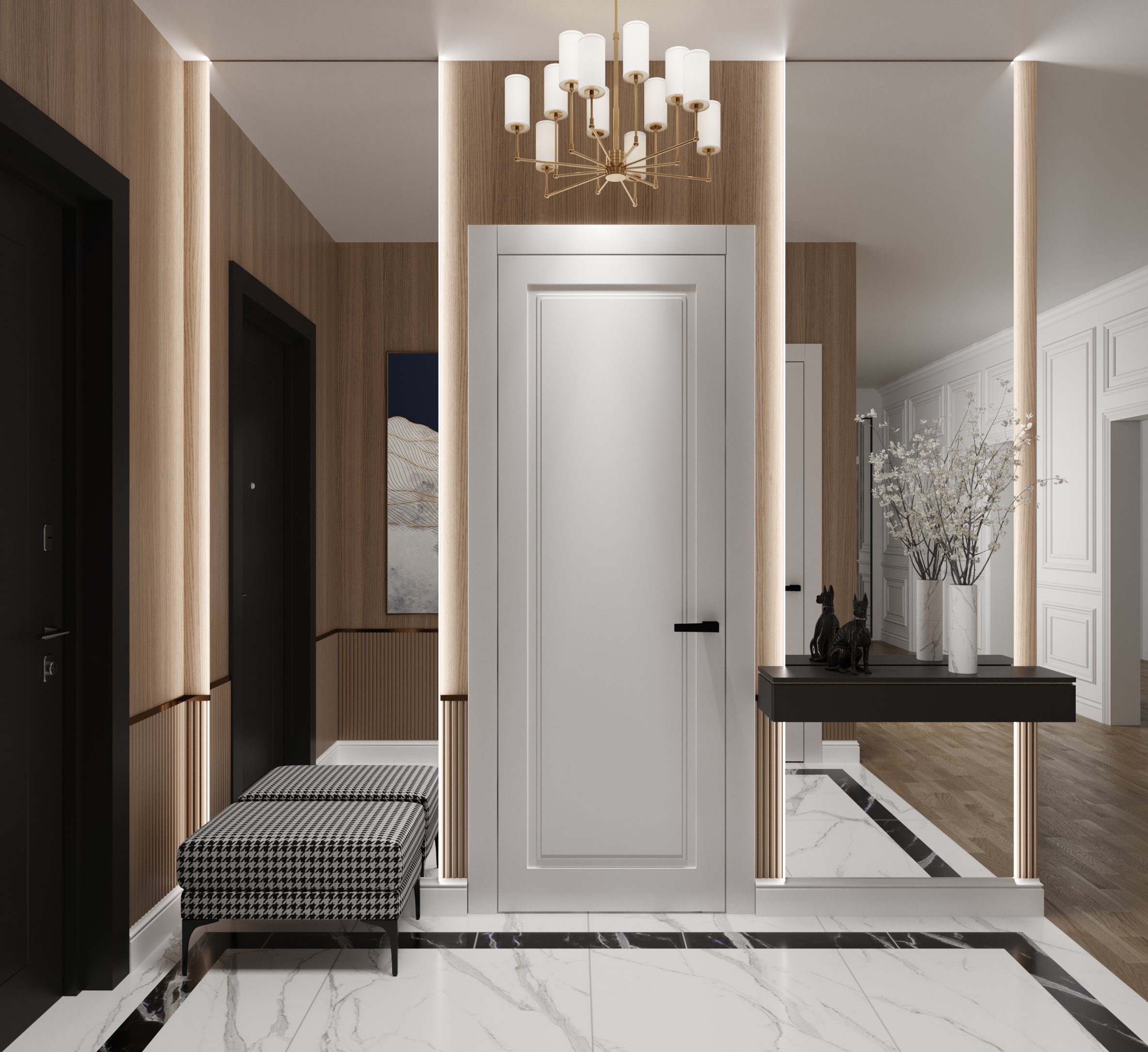
- neutral shades (brown, light beige) - create a sense of unified space, visually expand it, suitable for rustic, classic, ethnic styles;
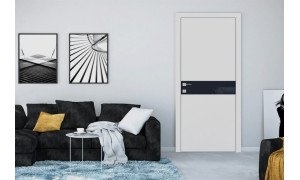
- light, cool colors (including white) - give the room strictness and elegance, more often used in modern or some ethnic styles, such as Scandinavian;
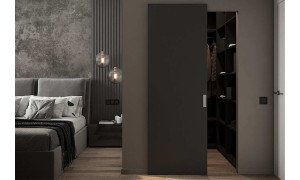
- dark, saturated colors - become the highlight of the interior, often used by designers to decorate cottages in the style of Baroque, classic, minimalism, etc.
Solving several tasks at the same time
Have you ever wondered how doors affect the space? If not, you will be interested to know that:
- sliding designs are great space savers thanks to their ability to move along the wall or hide inside it and can be installed where swinging models do not fit;
- the absence of casings in concealed doors creates the prerequisites for several options for the design of the leaf - from complete invisibility to a bright accent;
- the wide opening radius of swing models often makes it impossible to use them in small apartments;
- large, non-standard height (under the ceiling) makes the room larger and higher, emphasize the scale, add air and light (when decorated with glass inserts).
In addition, it is important how the doors affect the interior, a full part of which they are. The task of doors is not only to open and connect rooms, but also to share harmony and aesthetic appeal.
Popular styles
Most decisions on the purchase of this or that model are made on the basis of their own preferences, functional requirements and the overall design concept. At the moment, such interior styles are in demand:
- Art Nouveau - original finish of the canvas, the most diverse materials of manufacture, unusual geometric shapes;
- Scandinavian - simple, functional, made of natural materials doors of light colors;
- industrial - deliberately rough products made of metal or wood, perfectly combined with industrial design;
- classic - elegant, most often wooden models decorated with ornaments, carvings, patina;
- minimalism - smooth, simple, without unnecessary details, give rooms lightness and spaciousness.
Modern technologies
In order to improve comfort and safety, the role of interior doors in the formation of the interior has expanded and now they can be supplemented with:
- safety sensors - carbon monoxide and smoke detection sensors are integrated into the design, making the home much safer;
- built-in lighting - models with backlighting installed in the canvas create an unreal, fairy-tale atmosphere;
- enhanced soundproofing - no extraneous noise for those who value peace and privacy.
Doors complement and emphasize the design, add zest to the interior and provide comfort.