When Canadians design or renovate their homes, they pay close attention to every detail of the interior. That is why interior doors in Canada are no longer seen as purely functional elements. Today, they are a full part of the architectural composition, capable of changing how a room looks and feels. The Canadian real estate and interior design market continues to evolve quickly, which means homeowners are looking for solutions that combine style, practicality, and long-term value.
In 2026, designers are blending innovation, eco-conscious materials, and clean visual aesthetics more confidently than ever. For many buyers, choosing the right door is no longer simple, because the range of available designs, finishes, and construction types is wider than before. If you want to follow current design directions while creating a home that still feels timeless, it helps to understand which trends are shaping the market this year.
Eco-Friendly Materials Take the Lead
One of the strongest directions in Canadian interior design for 2026 is the growing focus on sustainability, natural textures, and biophilic design. These ideas encourage a stronger connection between people and nature inside the home, so it is no surprise that wood remains one of the most desirable materials for premium door systems.
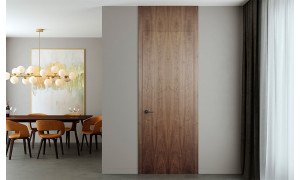
Natural wood continues to be associated with warmth, authenticity, and visual comfort. Canadian homeowners increasingly choose solid wood doors or models finished with high-quality natural veneer. Doors that highlight the unique grain and texture of wood are especially appealing in suburban homes, eco-inspired cottages, and carefully restored apartments.
The most актуальні shades for this season include warm and rich tones such as walnut, classic oak, ash, and maple. These finishes not only make interiors feel calmer and more welcoming, but also create a pleasant contrast with colder urban surroundings outside the windows.
Minimalism as a Lifestyle Choice
.png)
Minimalism continues to dominate contemporary Canadian interiors. Homeowners are looking for spaces defined by clean lines, reduced visual noise, and maximum functionality. This approach works equally well in compact urban condos and in larger townhouses or loft-style homes.
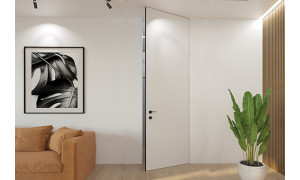
One of the clearest signs of this trend is the growing demand for concealed doors. These systems are installed without traditional trim, allowing the door leaf to sit flush with the wall. The result is a cleaner and more architectural interior where surfaces feel more continuous and visually calm.
Minimalist interiors in 2026 also favor smooth door leaves without raised panels, decorative carvings, or classic overlays. Magnetic locks, hidden hinges, and floor-to-ceiling proportions are becoming especially desirable because they reinforce the idea of simplicity and precision.
Bold Contrast in the Colour Palette
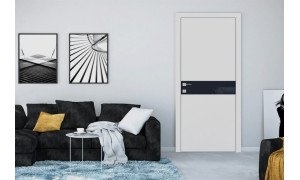
The colour palette for interior doors in Canada in 2026 is based on stronger contrasts and deeper, more deliberate tones. White remains a timeless choice because it reflects daylight well, visually widens narrow hallways, and works with nearly any wall or floor finish. For that reason, white doors continue to be one of the safest and most versatile options for modern homes.
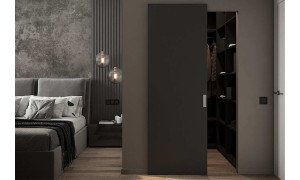
At the same time, darker colours are gaining momentum. Graphite, charcoal, and deep black are being used more often as bold visual accents, especially in loft, industrial, and contemporary interiors. Instead of blending into the background, doors in these shades can help define the rhythm of the room and make the overall design feel more intentional.
Glass, Light, and Visual Openness
.png)
Because Canadian winters can be long and dark, homeowners are paying more attention to how natural light moves through the home. This is one of the reasons glass has become one of the most attractive materials in interior door design for 2026. It can appear as a narrow insert, a large central panel, or as the dominant material in the entire construction.
Modern interiors increasingly use black aluminum, steel, or brass frames combined with large glass surfaces. These designs are especially effective when dividing the kitchen from the living room, creating a home office, or separating a bedroom from a dressing area. If the goal is to maintain openness while still creating functional zones, glass room dividers can be one of the most elegant solutions.
Glass doors and dividers help preserve light, make rooms feel more spacious, and create a more refined, airy atmosphere without sacrificing structure or organization.
Smarter Space-Saving Solutions
In large Canadian cities, where every square meter matters, space-saving solutions are no longer just a trend — they are a necessity. Traditional swing doors create blind zones that can limit furniture placement and reduce flexibility in smaller layouts. That is why sliding systems continue to grow in popularity.
Modern sliding doors may disappear into the wall in a pocket system or move along the wall on exposed hardware. In both cases, they help save space, free up room for furniture, and make the layout more adaptable. For homeowners who want this type of flexibility, choosing quality sliding hardware is just as important as choosing the door leaf itself.
These systems can be made from wood, polymer-based finishes, or glass, which makes them suitable for many different interiors, from minimalist apartments to more expressive contemporary homes.
Hardware Becomes Part of the Design
.png)
Another clear trend for 2026 is the growing importance of hardware as a visual detail. Handles, locks, hinges, and closing systems are no longer viewed as secondary elements. Instead, they are selected as part of the broader design language of the room.
In minimalist interiors, understated and geometric door handles work best, especially in matte black, graphite, brushed metal, or warm metallic finishes. In softer and more natural interiors, hardware often follows the tone of wood veneers and muted wall colours. The right hardware can make a door feel more premium, even when the rest of the design remains simple.
Customisation Over Standard Solutions
Standard mass-market solutions are gradually losing their appeal in the premium segment. More Canadian homeowners now want doors that reflect their personal style and work precisely with the dimensions, layout, and aesthetic of their home. That is why custom-made doors continue to gain popularity in 2026.
Customisation may involve non-standard height, a specific finish, concealed construction, oversized glass inserts, or hardware selected to match the wider design concept. Instead of adjusting the interior to the door, buyers increasingly want the door to support the vision of the interior as a whole.
The top interior door trends in Canada for 2026 show a clear shift toward cleaner lines, natural materials, better use of light, and more thoughtful use of space. Wood remains highly desirable, concealed systems continue to define minimalist interiors, glass helps create openness, and sliding solutions answer practical planning needs.
If you want your home to feel modern, functional, and visually refined, it is worth paying attention not only to the look of the door leaf but also to finishes, hardware, proportions, and the way the system interacts with the rest of the space. The right door can do much more than separate rooms — it can shape the entire atmosphere of the home.