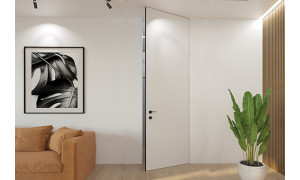
.png)
Proper care for interior doors is essential to maintaining their appearance and functionality over the years. Improper cleaning is a common cause of scuffs and damage. By following simple care guidelines, you can significantly extend the life of your doors, even older ones.
Basic Recommendations for Door Care
To keep your doors in good condition, use only cleaning products designed specifically for door leafs, which are widely available. When choosing cleaning materials (wipes, sponges, polish, etc.), consider the following:
- Avoid abrasive powders and liquids containing chlorine, solvents, oils, acids, alkalis, and other aggressive chemicals.
- For all-glass doors or doors with large glass inserts, use materials suitable for glass.
- Do not use metal sponges, scrapers, or hard plastic spatulas.
- Ensure that sponges, cloths, or gloves are not impregnated with unsuitable chemicals (the label or instructions should indicate that the impregnation is intended for finishing materials, wooden objects, or furniture).
To maintain the appearance of your interior doors, follow these recommendations:
- Avoid installing regular doors near heating devices, in high humidity areas, or in places with sharp temperature fluctuations. Special models are available for these conditions.
- Use dryers for drying wet laundry and avoid overloading the door structure.
- Protect doors from impacts, drafts, and scratches from pets.
Care for Interior Doors Made of Natural Wood
Wooden doors are sensitive to chemical agents, moisture, and proximity to heating devices. Regular care includes:
- Weekly dusting with a slightly damp, then dry microfiber or viscose cloth.
- Annual cleaning with mild agents free of acetone or chlorine.
- For cracked areas, use a polish with a high content of natural wax to give a natural shine and prevent dirt accumulation.
- Periodically clean and lubricate fittings and other structural elements.
Veneered Doors
Natural or artificial veneered doors require gentle care:
- Use a soft damp cloth followed by a dry cloth for cleaning.
- Choose polishes with natural wax for a pleasant shine and dust repellent properties.
- Cover small scratches with colorless varnish and use a wax pencil for larger scratches or cracks. Melt the pencil, fill the voids with the liquid, and remove residue with polish.
- Before painting, clean the surface and apply primer. Use water-based paint for the best results.
Plastic Doors
PVC doors, while durable, need proper care:
- Avoid products containing pure alcohol, acetone, or cleaning powders.
- Wipe the surface with a soft sponge or cloth.
- Remove grease stains with gentle dishwashing detergent and scratches with a special paste.
- Use a stationery corrector to disguise minor damage on white doors.
Laminated MDF Doors
For doors with laminated panels:
- Immediately dry any water that gets on the door.
- Dust with a soft cloth several times a month.
- Do not use cleaning powders or acidic liquids.
- Periodically wipe with natural wax polish.
- Remove heavy soiling with a mild detergent, organic stains with laundry soap, and ethyl alcohol. Mask scratches with a wax pencil.
Painted Doors
Painted doors require simple care:
- Regularly wipe the surface with soft, wet, and dry cloths.
- Dust regularly and lubricate hinges and door locks.
- Clean door handles frequently to ensure smooth operation and longevity.
By adhering to these care guidelines, you can maintain the beauty and functionality of your interior doors for many years.