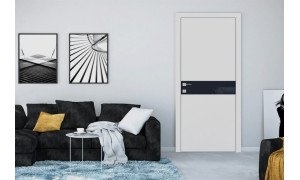
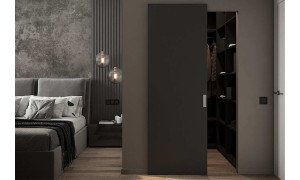
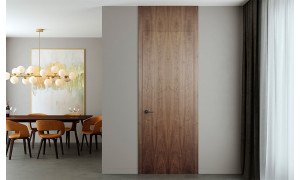
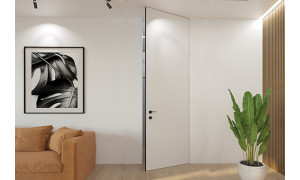
Modern residential architecture is moving toward maximum visual clarity, where every element is justified and functional. In this context, concealed doors are a true solution for designers, because they make it possible to remove visual clutter and turn the interior into one harmonious whole. The key condition is choosing the right finish for the hidden door. It is the finish that allows the door leaf to literally dissolve into the space, fully repeating the wall surface. This creates a seamless effect that is especially valued in minimalist interiors. If you are looking for a reliable base for this kind of design solution, it is worth exploring premium models that can be adapted for different finishing materials.
.png)
The choice of decorative material is not only about beauty but also about technical durability. Paint, wallpaper, or architectural panels can either turn the door into a central accent or make it almost disappear. The main thing is to start with a quality base that will remain stable over time. On triodoors.ca, homeowners and designers can explore modern solutions for the Canadian market and find systems suitable for a wide range of finishes. In this article, we will look at the main finishing approaches that can make your hidden door design truly refined and practical.
The Magic of Paint: From Monochrome to Light Effects
The most popular option is, of course, paint. It is the simplest way to achieve the hidden-door effect. You paint the door in exactly the same finish and color as the walls, and the boundaries visually disappear. At the selection stage, it is important to decide on the final effect, because the sheen level strongly influences how the space feels and how the overall interior design is perceived.
Paint for concealed doors can be used in several ways:
- Matte finish. Ideal for rooms where a calm atmosphere is needed. This texture absorbs light, hides minor surface imperfections, and emphasizes a restrained minimalist style.
- Gloss finish. Used as a bolder visual accent. A glossy surface reflects light, adding depth and a more futuristic feel. This type of finish works best on perfectly prepared smooth door leaves.
- Satin finish. A balanced option that combines practicality with a delicate reflective effect.
The main advantage of paint is flexibility. If you decide to change the main color of the room after a few years, the door can simply be repainted together with the walls, without removing the frame. This makes painted hidden doors one of the most adaptable solutions for evolving interiors.
Wallpaper on Doors: Textural Continuity Without Interruptions
Using wallpaper as a finish for hidden doors allows you to preserve the wall pattern without visible disruption. This is especially relevant for large floral motifs, geometric compositions, and mural-style wallpaper, where every line matters. When done correctly, the wall reads as one uninterrupted surface, and the presence of the doorway is revealed only by the fine shadow gap and the handle.
To ensure a lasting result, several details should be considered:
- Surface preparation. The door leaf should be properly primed with materials that improve adhesion.
- Wallpaper type. Non-woven and vinyl options are usually the most practical because they resist deformation and everyday wear better.
- Edge treatment. The wallpaper edge should be cut precisely along the aluminum profile so it does not begin to peel during use.
This solution works especially well in interiors where the walls themselves play a decorative role. In such projects, matching the finish of the door to nearby wall panels or wallpaper textures can create an elegant sense of continuity and architectural order.
Decorative Panels: Depth, Luxury, and Architectural Presence
For those who are looking for premium solutions, decorative panels are one of the most impressive options. This can include natural veneer, MDF with milling, mirror surfaces, or even stone-inspired finishes. These doors are often produced as custom elements so that the thickness and rhythm of the finish on the leaf exactly match the panels used on the surrounding wall.
Panels make it possible to experiment with architectural forms:
- Vertical slats. A popular trend that visually raises the ceiling. The slatted pattern continues across the door and the adjacent wall, fully masking the entrance.
- Stone veneer. Creates a sense of solidity and permanence, especially suitable for loft and industrial-inspired interiors.
- Mirror-faced doors. These help conceal the opening while also making the room feel brighter and more spacious.
In this way, hidden doors become part of the artistic composition of the room rather than a separate functional object. They can also be coordinated with adjacent interior doors to maintain a consistent visual language throughout the home.
Practicality and Maintenance of Hidden Doors
Regardless of the chosen finish, concealed doors require extra attention in areas of regular contact. Because these systems often do not have traditional trims, the edges of the leaf are exposed to more stress. This is why practical details matter just as much as aesthetics.
Some useful recommendations include:
- Edge protection. An aluminum edge in matte, black, or metallic finish helps protect the surface from chips and abrasion.
- Magnetic latches. These reduce impact against the wall and help preserve the integrity of paint or wallpaper.
- Gentle cleaning. Matte finishes should be cleaned with soft microfiber cloths to avoid creating shiny spots on the surface.
Modern hidden door finishes offer creative freedom without sacrificing practicality. You can change the appearance of the room over time simply by repainting the door together with the walls or by refreshing the decorative layer. Choosing the right door handles also matters here, because visible hardware should support the minimalist concept rather than distract from it.
Why the Internal System Matters as Much as the Finish
In the end, creating a harmonious living space truly requires attention to every millimeter. Whether you choose understated paint, expressive wallpaper, or premium veneered surfaces, the quality of the internal system remains the foundation of success. A poor frame or unreliable mechanism can undermine even the best decorative concept.
That is why it is important to choose professional concealed systems that deliver long-term visual precision and reliable operation. Technical elements such as frame geometry, aluminum edging, and compatible sliding hardware or accessories should always be considered as part of the complete design solution. With the right finish and the right construction behind it, hidden doors can help create a calm, highly personalized home where every detail feels intentional.
If you are looking for premium concealed door systems in Canada, explore modern interior solutions at TrioDoors and choose finishes that bring together aesthetics, durability, and a truly seamless architectural effect.